how to use the MODERN kintsugi kit
Step-by-Step Video Guide
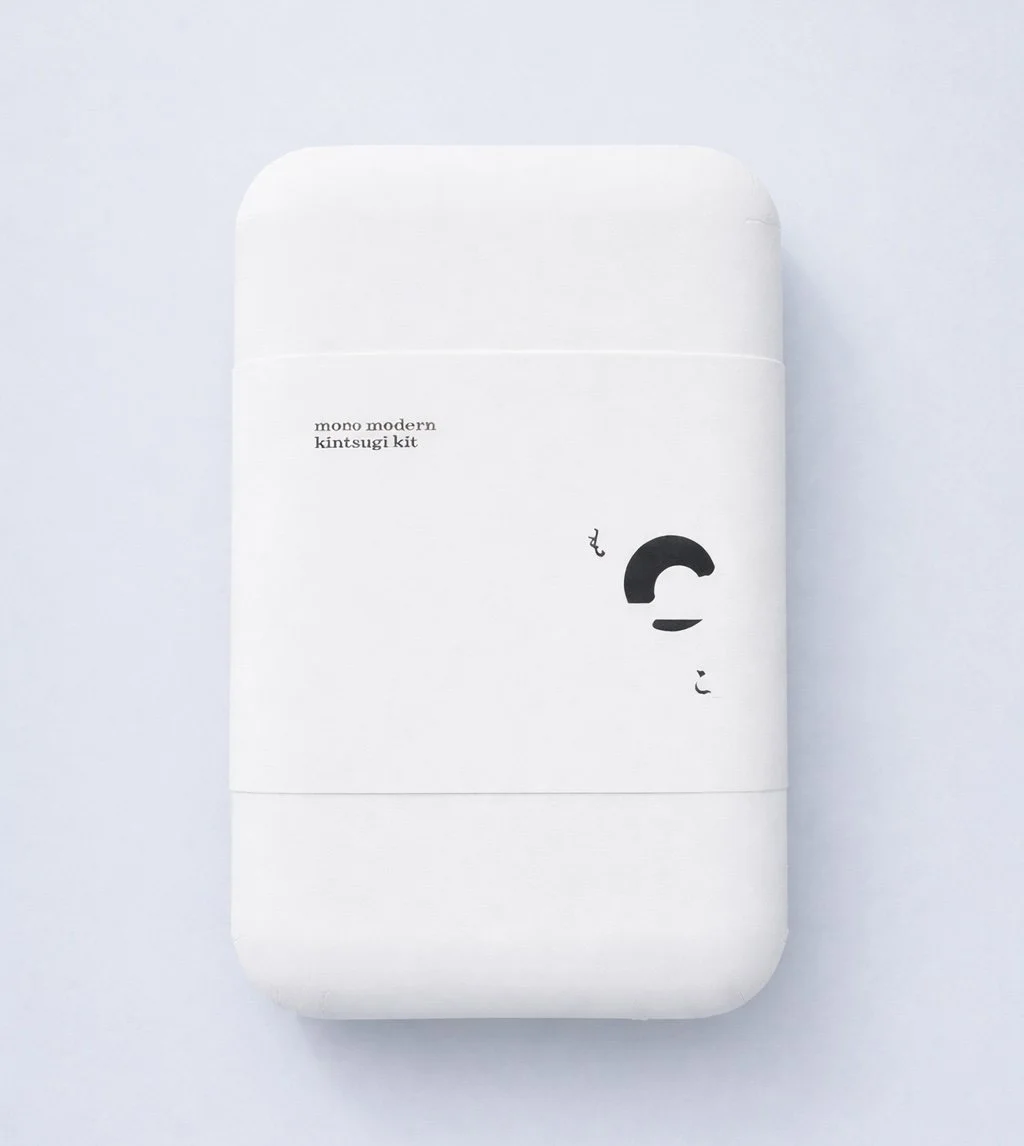
MOCO modern kintsugi kit
-moco / 慕古-
Embracing the past, learning from its lessons, and creatively applying its wisdom to the present.
単に古いものを慕うだけではなく、教えから学び、工夫を凝らして現在に生かし実践していくこと。
Kintsugi is a traditional Japanese art of repairing broken ceramics using natural materials such as urushi lacquer and finishing with fine metal powders, including pure gold. Rather than concealing damage, it embraces visible repairs as part of the object’s history and transforms them into beauty.
Traditional kintsugi can take about two months to complete. This kit, inspired by traditional techniques and aesthetics, allows you to achieve a refined and beautiful finish in approximately two days.
This kit uses a fast-curing epoxy resin instead of traditional urushi lacquer. We do not guarantee the safety of repaired items for food contact use or compliance with the laws of any specific country or region.
To preserve the integrity of the repaired area, contact with acids or alcohol must be avoided. High temperatures (above 100°C / 212°F) must also be avoided, as they can compromise the durability and finish of the repair.
金継ぎは、破損した陶磁器などに対して「漆」をはじめとする自然由来の素材を用いて修繕を施し、仕上げに純金などの金属粉で装飾する日本古来の伝統工芸です。傷跡を隠すのではなく、それらを不完全の美として捉え、破損の痕跡を美しい表現へと昇華させます。
従来の伝統的な金継ぎでは修復に約2ヶ月を要しますが、本キットでは約2日間で完成させることが可能です。伝統的な美意識と技法をもとに設計されており、より本格的で美しい仕上がりをお楽しみいただけます。
本キットでは、伝統的な漆の代わりに硬化型エポキシ樹脂を使用しています。本製品を用いて修復した器の食品用途における安全性や、各国・地域の法令への適合を保証するものではありません。食品用途でのご使用にあたっては、各国の基準や使用条件をご確認のうえ、ご使用ください。
また、修復部分の状態を良好に保つため、酸やアルコールとの接触はお避けください。また、高温(100℃以上)の状態は避けてください。これらの条件下では、修復部分の強度や仕上がりに影響が生じるおそれがあります。
INSTRUCTION
Notes: Please be sure to read / 注意事項: はじめにお読みください
•The curing temperature for epoxy is around 75 degrees Fahrenheit. If the room temperature is low, please adjust the time accordingly.
•After finishing the work, please clean the tools such as tiles, spatulas, and brushes with ethanol.
•For repairing only chipped parts, remove the oil with ethanol and then start the process from step 3.
•Depending on the type of ceramics, stains may occur at the joints. Please understand this.
•Objects repaired with kintsugi cannot be used in dishwashers, microwaves, ovens, or direct flames.
•Dust particles can potentially cause respiratory problems, so please avoid inhaling them.
•We cannot take any responsibility for damage to ceramics or accidents, injuries, illnesses, etc., resulting from the use of this product. Please understand this.
・エポキシの適正硬化温度は24度前後です。室温が低い場合には、長めに時間調整してください。
・作業終了後は、タイルやヘラ、筆などの道具をエタノールで清掃してください。
・欠けのみの修繕はエタノールで油分を除去した後、Step 3から作業を行ってください。
・陶磁器の種類によっては接合部分にシミが発生する場合があります、予めご了承ください。
・金継ぎした器は、食器洗浄機、電子レンジ、オーブン、直火での利用は出来ません。
・粉塵は呼吸器の障害を引き起こす可能性があるため、吸入しないようご注意ください。
・本製品の使用における破損や事故、怪我、病気などについては一切の責任を負いかねます。予めご了承ください。
※Please prepare ethanol and paper napkins ready before you starrt working.
STEP1 Preparation
Start by thoroughly mixing equal amounts of resin and hardener on the tile using a spatula. Let this mixture sit for an hour to adjust its viscosity. During this time, clean the area you'll be gluing with a paper napkin dampened with ethanol to remove any dirt or oil.
STEP2 Mending
Next, apply the epoxy glue created in STEP 1 in a thin and even layer onto all the joint surfaces using a spatula. Carefully align the pieces as you glue them together. If there's any excess epoxy that spills over, wipe it away with a paper napkin. In this case, use a small amount of ethanol to aid in removing the excess, but be cautious about the quantity since too much could seep into the joint and compromise the adhesive. Use masking tape, as demonstrated in the photo, to hold the pieces in place while the glue sets.
STEP3 Filling
If no“chips”, go to Step 5.
Surround any chipped areas with masking tape to protect them. Make a putty by mixing the remaining epoxy mixture from Step 1 with base material in a ratio of 1 part epoxy to 3 parts base material by volume. Once the putty reaches a soft, clay-like consistency, use a metal spatula to fill in the chipped section. Allow the putty to cure for a minimum of 10 hours.
STEP4 Forming
Be careful not to allow the sandpaper or tool tip to hit the ceramic surface.
After it's hardened, shape the putty using sandpaper, an iron file, or a blade. (Choose the most suitable tool based on the location of the putty) * Blade is easier to shave if it is held up and shaved off little by little. If the iron file becomes clogged, clean it with a metal brush.
STEP5 Cleaning, Adjustment
Carefully peel off the masking tape. Use a blade to remove any excess epoxy glue that's protruding or adhering to the piece, then clean the surface with ethanol. If there are any uneven areas between the filled putty and the piece, adjust them using an iron file or blade. *Avoid using sandpaper without masking, as it could scratch the ceramic's surface.
STEP6 DECORATING
Make epoxy liquid as in Step 1, and mix epoxy liquid and gold powder at a ratio of “1:1” to make “gold liquid”. Using brushes, apply this mixture to the joints and the areas that need compensation without letting it drip.If there are depressions, apply an additional layer. After application, allow it to cure for a full day before considering it complete. * Use different brushes depending on the area to be painted.* If dents or pinholes are noticeable, apply additional coats after drying.
※エタノール、ペーパーナプキンをご用意の上、作業を行なってください。
STEP1 準備
練板にレジンとハードナーを「1:1」で同量取り出す。ヘラを使ってしっかりと混合し「エポキシ液」を作る。粘度調整の為、ゴミや埃のない場所で1時間程度静置する。待機中、接着する箇所の汚れや油分をエタノールを含ませたティッシュで取り除いてください。
STEP2 接着
次に、Step1で粘度調整した「エポキシ液」を接合面全てにヘラで薄く均一に塗布し、ピースのズレを確認しながら接着。はみ出したエポキシ液をティッシュ等で拭き取り、マスキングテープで固定する。
* ティッシュに少量のエタノールを含ませると拭き取り易くなりますが、接合部に浸透すると接着不良を起こすので使用量に注意ください。
STEP3 補填
“欠け” がない場合はステップ5へ
欠けの周りをマスキングテープで養生する。エポキシ液と母材を「1:3」の割合で混合し「パテ」を作る(柔らかい粘土状)。メタルヘラでパテを欠損部へ補填し10時間以上硬化させる。
STEP4 形成
紙やすりや鉄工ヤスリの先端などは器表面を傷つけやすい為、使用時は十分に注意してください。
硬化後、パテを紙ヤスリや鉄工ヤスリ、ブレードで成形する。(欠損箇所の位置に応じて使い易い道具を選択)ブレードは刃を立て少しずつ水平に削ぎ取るように使用。
* 鉄工ヤスリが目詰まりを起こした場合は金ブラシで清掃してください。
STEP5 掃除、調整
慎重にマスキングテープを剥がし、はみ出している(付着している)エポキシ液をブレードで削り取る。ティッシュや綿棒にエタノールを染み込ませ器表面の汚れを掃除する。補填したパテと陶磁器に段差がある場合は、鉄工ヤスリやブレードで成形。*紙やすりは陶磁器の表面に傷を付けやすいため、養生をしていない状態では使用しないでください。
STEP6 装飾
Step1と同様にエポキシ液を作り、エポキシ液とゴールドパウダーを「1:1」の割合で混合し「ゴールド液」を作る。ゴールド液を筆に含ませ、破損箇所へ塗布する(分厚く塗りすぎると液ダレするので注意)。 塗布後はゴミや埃のつかない場所で24時間以上静置して完成。* 破損部面積に応じて太筆、ライナー筆を使い分けてください。* 凹みやピンホールが目立つ場合は乾燥してから重ね塗りを行ってください。